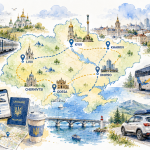

From the bustling streets of Lviv to the cozy corners of Kyiv, coffee in Ukraine holds more than just a caffeine kick. For many Ukrainians, it symbolizes warmth, togetherness, and a pause in the rushed rhythm of life.
Ukrainian coffee culture is an integral aspect of daily life, especially in western Ukraine, where coffee serves as a focal point for social gatherings and personal routines. Its roots intertwine with historical influences, local flavor, and the art of café culture that reflect the spirit of the nation.
The journey of coffee in Ukraine is steeped in history and local traditions. In the bustling city of Lviv, known as the coffee capital, cafés not only serve drinks but also act as cultural hubs, where literature, art, and conversations intertwine. Here, the aroma of freshly brewed coffee mingles with the vibrant history of coffee trade and preparation.
A Short History of Coffee in Ukraine
Coffee culture in Ukraine has several roots. In Lviv, it grew from the city’s Central European and Galician history, where cafés became places for conversation, reading, and public life. Yuriy/Jerzy Kulczycki, born near present-day western Ukraine, is linked to the famous Vienna coffee legend, though the claim that he opened the first Viennese coffeehouse is debated.
Ukraine’s coffee story also includes older Crimean Tatar traditions, shaped by Ottoman and Crimean cultural ties. Today, this heritage continues alongside modern café culture, especially in cities like Lviv and Kyiv. Lviv still celebrates its coffee identity through an annual Coffee Festival with tastings, workshops, and cultural events.
Coffee Traditions and Preparation
In Ukraine, coffee traditions vary from region to region. In western Ukraine, particularly, you might encounter “Turkish coffee,” which is brewed directly in a cezve and served in small cups. The preparation is almost ritualistic, reflecting a respect for the ingredient and the moment. Adding sugar, spices, or milk allows for customization, showcasing personal preferences that make every cup unique.
In Ukraine, it’s common to serve coffee with a small sweet treat on the side, often a piece of cake or traditional pastries.
Lviv: Ukraine’s Coffee Capital
Lviv is often described as Ukraine’s coffee capital, and for good reason. The city’s coffee identity is shaped by its Central European and Galician history, where cafés became part of public life, conversation, reading, and artistic exchange.
In Lviv’s old town, coffee is not only something to drink quickly. It is part of the atmosphere: historic streets, small courtyards, vaulted interiors, cakes in glass displays, and long conversations over strong coffee. The city is also known for themed coffee houses and annual coffee events, including the Lviv Coffee Festival, which celebrates local cafés, roasting, tastings, and coffee culture.

Kyiv’s Modern Specialty Coffee Scene
Kyiv’s coffee scene feels younger, faster, and more design-led. While Lviv leans into old coffeehouse atmosphere, Kyiv is known for modern specialty cafés, espresso bars, filter coffee, stylish interiors, and spaces where people meet, work, and move through the city.
Many Kyiv cafés are remote-work friendly, with Wi-Fi, good seating, and a steady flow of laptops, conversations, and takeaway cups. For travelers, this makes cafés useful not only for coffee but also for planning the day, checking maps, catching up on messages, or taking a quiet break between museums, neighborhoods, and walks.
Crimean Tatar Coffee Traditions
Ukraine’s coffee story also includes Crimean Tatar traditions. Crimean Tatar coffee is often prepared in a cezve, a small pot used to brew strong coffee slowly. It is usually served in small cups and may be paired with sweets, conversation, and hospitality.
This tradition matters because it connects coffee with family rituals, welcome, and cultural memory. It also reflects Crimea’s historical ties with Ottoman and regional coffee culture. Including Crimean Tatar coffee helps show that Ukrainian coffee culture is not only urban café culture; it is also part of deeper regional heritage.
Coffee as Everyday Hospitality
In Ukraine, coffee often marks a pause in the day. It can be a reason to meet a friend, invite someone to sit down, take a work break, go on a date, or welcome a guest. The cup matters, but the moment around it matters just as much.
This is why cafés feel so important in Ukrainian cities. They are social spaces, quiet corners, workspaces, and meeting points. Coffee creates time for conversation, and in a busy day, that small pause can feel meaningful.
What to Order in a Ukrainian Café
In Kyiv’s specialty cafés, start with espresso-based drinks such as an espresso, cappuccino, flat white, or filter coffee. Many modern cafés also offer pour-over, batch brew, cold brew, and seasonal drinks with local flavors.
In Lviv, look for more atmospheric coffee experiences: strong black coffee, coffee brewed in a cezve, or dessert-style drinks served in historic cafés. Lviv cafés often lean into the city’s old coffeehouse mood, with cozy interiors, chocolate, pastries, and slow conversation.
If you see cezve or Turkish-style coffee on the menu, it is worth trying. This method produces a small, strong cup with a rich texture and is connected to older coffee traditions in the region, including Crimean Tatar culture.
Pair your coffee with something sweet. Good choices include syrnyk, cakes, layered pastries, honey cake, croissants, or local desserts. In many Ukrainian cafés, coffee is not only a drink but a reason to sit down, pause, and enjoy the moment.
Practical Tips for Visitors
If you visit cafés in Ukraine, expect a mix of classic and modern options. In specialty cafés, you can usually order espresso-based drinks, filter coffee, flat whites, cold brew, and seasonal drinks. In more traditional or themed cafés, look for strong black coffee, cezve-style coffee, cakes, pastries, or local desserts.
Tipping is appreciated when service is good; around 10% is a common guideline unless service is already included. Many cafés accept cards, but it is still useful to have some cash for smaller places. If you plan to work from a café, choose a spot with enough seating and avoid staying too long during peak hours.
Opening hours, menus, and travel conditions can change, so check current details before visiting, especially when planning around specific cafés or events.
Further Reading and Café Guides
- Best cafés for digital nomads in Kyiv
A practical guide to Kyiv cafés with good atmosphere, seating, and remote-work potential. - Independent cafés to try in Kyiv
A traveler-focused list of Kyiv cafés, useful for finding modern specialty coffee spots. - Coffee experiences in Lviv
A guide to Lviv cafés and coffee stops that highlights the city’s strong coffee identity. - Visiting Lviv Coffee Mine
A first-person look at one of Lviv’s best-known coffee attractions and themed café experiences.
The café "Svit Kavy" in Lviv was one of the first coffee houses in Ukraine to serve specialty coffee, shaping the local coffee movement.
FAQ
While you can enjoy coffee year-round, visiting during the Coffee Festival in Lviv, typically held in September, offers a vibrant insight into local traditions and specialties.
In Lviv, cafés like “Svit Kavy” and “Coffeehouse” are beloved by locals. Each city boasts its unique cafés, with many serving specialty brews that showcase regional flavors.
Yes, traditional brewing methods vary by region. For instance, western Ukraine favors Turkish coffee, while Kyiv might offer espresso-based drinks reflecting European influences.
Yes, tipping is appreciated and is generally around 10% of the bill. However, check if service charges are included first.
Can I work from cafés in Ukraine? Yes, many modern cafés in Kyiv, Lviv, and other large cities are suitable for remote work. Look for cafés with Wi-Fi, comfortable seating, and enough table space, but avoid occupying a small table for hours during busy periods.
What makes Ukrainian coffee culture special? Ukrainian coffee culture is about more than the drink itself. Cafés are places to meet friends, work, read, talk, and slow down. In cities like Lviv and Kyiv, coffee connects everyday life with history, hospitality, and local identity.
Conclusion
Ukrainian coffee culture is not defined by one city, one drink, or one tradition. It lives in Lviv’s old cafés, Kyiv’s specialty coffee bars, Crimean Tatar hospitality, and the everyday habit of pausing for conversation.
For travelers, coffee is one of the easiest ways to feel the rhythm of Ukrainian city life. Order a cup, sit for a while, and notice what happens around it: meetings, work breaks, dates, family rituals, and quiet moments of welcome.
Replace the meta description with this:
Explore Ukrainian coffee culture through Lviv cafés, Kyiv specialty coffee, Crimean Tatar coffee traditions, and practical tips for what to order.